
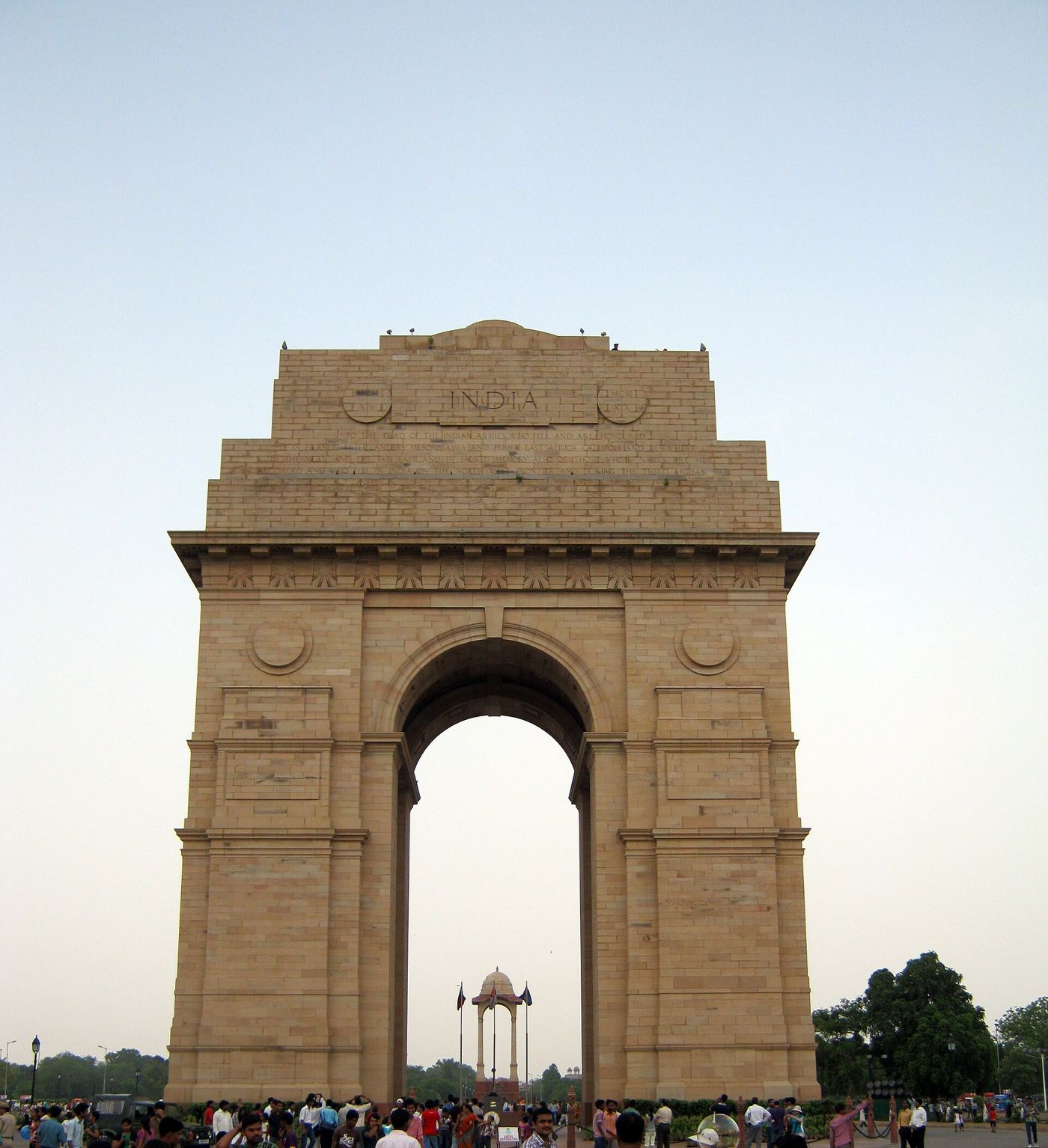
Prince William and Princess Kate are to meet Prime Minister Narendra Modi in Delhi today as part of a high-profile visit to India that blends diplomacy with environmental campaigning. The royal couple’s trip has drawn wide attention in both countries, and the meeting with Modi is expected to cover the growing partnership between Britain and India in trade, technology and climate action. The visit also features the Earthshot Prize, Prince William’s environmental awards programme, which this year presented five winners with 1.3 million dollars each for solutions to the planet’s biggest ecological problems. The programme has become a centrepiece of the prince’s public work, and the Delhi events give it a prominent global stage. Officials on both sides describe the visit as a sign of the deepening ties between the two nations. The couple are also expected to visit projects supported by the Earthshot Prize in India, meeting the innovators behind clean air and ocean restoration solutions and hearing how the prize money has helped them expand their work to new cities and communities.
What the Evidence Shows
Royal visits have long served as a softer form of diplomacy, opening doors that formal negotiations sometimes cannot. The meeting in Delhi comes at a time when Britain and India are working more closely on trade, defence and clean energy, and the presence of the Prince and Princess of Wales adds public warmth to the official relationship. The Earthshot Prize element also matters, because it puts environmental innovation at the heart of the visit rather than treating it as an afterthought. For India, hosting the royals is a chance to showcase its own climate ambitions and its growing role on the world stage. For the royal couple, the trip is another step in building a modern role for the monarchy abroad. The visit is the couple’s most significant overseas tour in recent years, and palace officials hope it will strengthen the monarchy’s role as a bridge between Britain and the fast-growing economies of Asia, where the royal family has long sought to remain relevant. Reporting and analysis from sources such as BBC News track the same developments, and specialists following Prince William and Princess Kate in Delhi say the direction is now consistent across independent lines of evidence.
The Wider Context
The wider context is a public conversation conducted at a speed institutions were not built for. Developments around Prince William and Princess Kate in Delhi are announced, contested and revised within a single news cycle, and the officials involved have learned to publish evidence alongside claims so that scrutiny can actually occur. Trust, the polling suggests, follows that transparency more than it follows confidence.
What Happens Next
What happens next in the story of Prince William and Princess Kate in Delhi will be decided in the places where it is being implemented, measured and argued about in public. The officials and organisations involved have committed to publishing progress data, and that commitment gives residents, businesses and journalists something firmer than promises to judge. The next milestones are dated, which means they can be checked. You can follow related developments in our coverage of news.
None of this will be settled by a single announcement, study or product launch. The pattern to watch is accumulation: independent confirmations, honest reporting of failures and steady improvement in the underlying numbers. Readers who follow those signals, rather than the loudest claim of the week, will understand this subject better than most of the commentary surrounding it suggests is possible.