
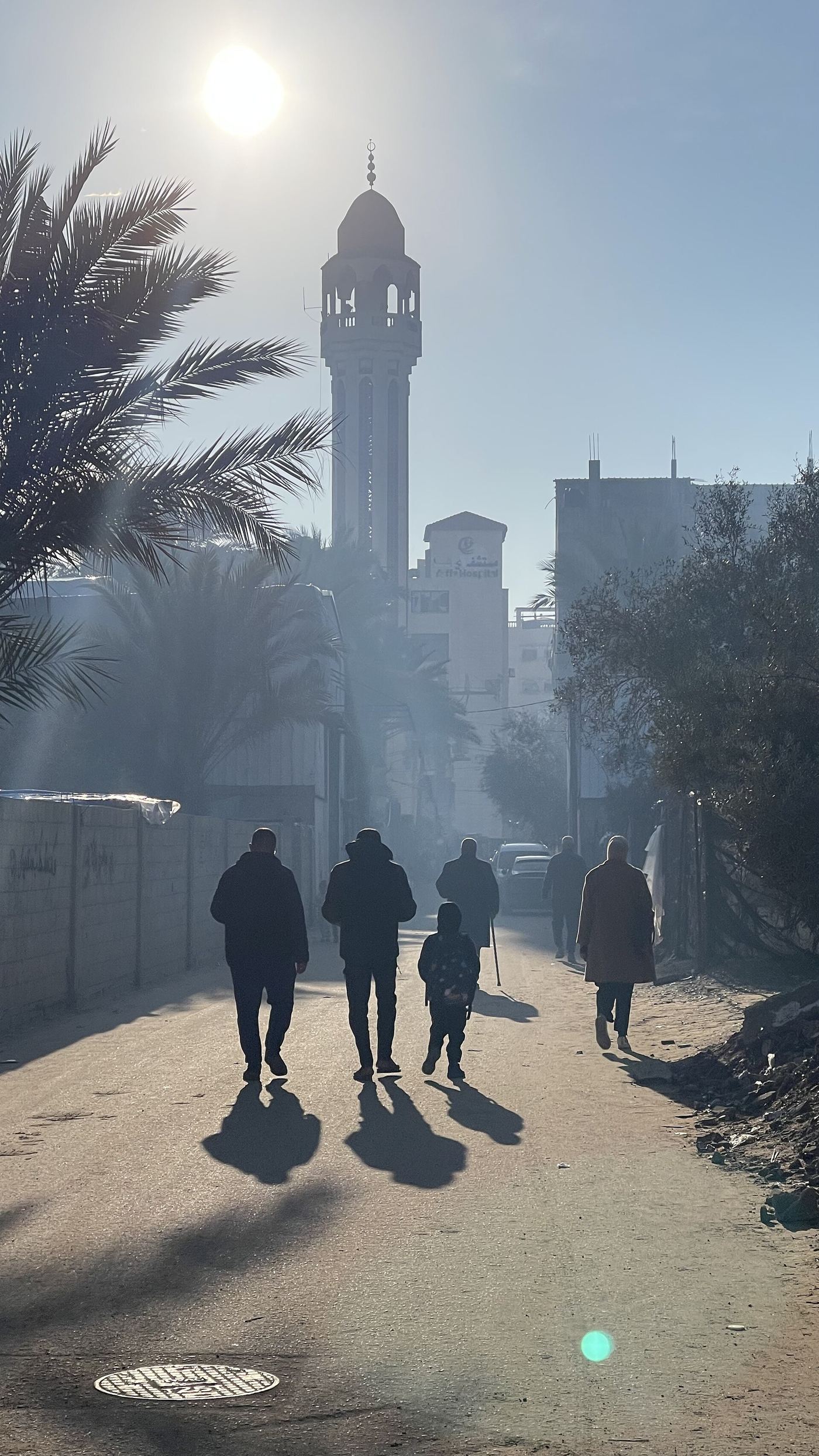
A ceasefire in Gaza took effect on 10 October 2025, pausing two years of war between Israel and Hamas. The deal followed a 20-point plan put forward by US President Donald Trump on 29 September 2025 and agreed by both sides after days of talks in Egypt. Under its first phase, Hamas released the 20 living Israeli hostages on 13 October 2025, and Israel freed about 2,000 Palestinian prisoners and detainees. Israeli forces withdrew to agreed lines inside Gaza, and large amounts of humanitarian aid began entering the territory. The agreement also set out a plan for Gaza to be governed by a transitional administration of Palestinian technocrats, overseen by an international body chaired by Trump, with an international stabilisation force to provide security.
What the Evidence Shows
The ceasefire brought relief to a population that had endured two years of bombardment, displacement and severe shortages of food, water and medicine, with the United Nations estimating that most of Gaza’s buildings had been damaged or destroyed. But the hardest questions were left for later phases: the disarmament of Hamas, the full withdrawal of Israeli forces, and who would govern Gaza permanently. Both sides accused each other of violations in the weeks that followed, and the fate of the remaining hostages’ bodies remained unresolved for months. Mediators from Egypt, Qatar and Turkiye continued to press both sides to move to the second phase. For families on both sides, the ceasefire’s first achievement was simple and profound: the return of the living hostages and the first quiet nights in two years. Reporting and analysis from sources such as BBC News track the same developments, and specialists following the Gaza ceasefire of October 2025 say the direction is now consistent across independent lines of evidence.
The Wider Context
The wider context is a public conversation conducted at a speed institutions were not built for. Developments around the Gaza ceasefire of October 2025 are announced, contested and revised within a single news cycle, and the officials involved have learned to publish evidence alongside claims so that scrutiny can actually occur. Trust, the polling suggests, follows that transparency more than it follows confidence.
What Happens Next
What happens next in the story of the Gaza ceasefire of October 2025 will be decided in the places where it is being implemented, measured and argued about in public. The officials and organisations involved have committed to publishing progress data, and that commitment gives residents, businesses and journalists something firmer than promises to judge. The next milestones are dated, which means they can be checked. You can follow related developments in our coverage of news.
None of this will be settled by a single announcement, study or product launch. The pattern to watch is accumulation: independent confirmations, honest reporting of failures and steady improvement in the underlying numbers. Readers who follow those signals, rather than the loudest claim of the week, will understand this subject better than most of the commentary surrounding it suggests is possible.