
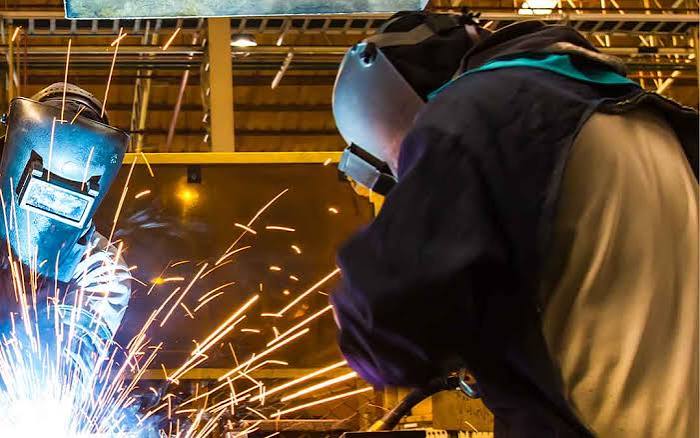
Work involving heat-producing tasks requires close attention to safety at every stage. A small spark can create a serious fire risk when proper observation is missing. Skilled fire watch guards help maintain awareness around active work areas while supporting safe job progress. Their presence helps identify concerns early before conditions become more serious. Reliable fire watch for hot work supports stronger oversight during demanding activities.
Hazard Recognition Process
Active work zones often change throughout each shift. Fire watch guards carefully observe surrounding conditions to identify developing concerns before they grow. Constant attention helps reduce exposure to unnecessary danger while maintaining orderly operations.
They check nearby materials that may react to heat sources. Careful observation allows quick reporting when unusual conditions arise. This steady approach supports safer task completion while reducing interruption risks.
Continuous Area Monitoring
Ongoing observation is essential when heat-producing activities are underway. Fire watch guards remain focused on the assigned location while watching for signs that require immediate action. Consistent monitoring supports stronger workplace control.
Their duties include checking nearby spaces where hidden ignition risks may exist. Proper monitoring creates a dependable layer of protection. Teams can continue assigned responsibilities with greater confidence during active operations.
Communication During Operations
Clear communication helps maintain coordination across the work area. Fire watch guards share important updates with supervisors while keeping everyone informed about changing conditions. Quick reporting supports prompt response when attention is required.
- Clear updates support faster decisions during active work periods.
- Early reporting helps reduce unnecessary delays during assigned tasks.
- Strong coordination improves awareness across nearby operational areas.
- Accurate information supports timely action when concerns develop.
- Consistent communication strengthens workplace readiness throughout ongoing activities.
Effective communication also helps maintain accountability. Every observation can be shared promptly so appropriate action remains possible whenever conditions change.
Equipment Readiness Checks
Safety equipment should remain accessible throughout the work period. Fire watch guards review essential resources before activities begin. Proper preparation helps ensure necessary tools remain available when required.
Regular checks support operational readiness while reducing uncertainty. Attention to equipment condition helps create a more organized environment. Prepared resources contribute to stronger protection throughout assigned responsibilities.
Supporting Regulatory Compliance
Organizations must follow established safety requirements during heat-producing tasks. Fire watch guards assist by maintaining observation records while supporting workplace expectations. Their presence helps reinforce responsible practices throughout operations.
- Observation records help verify proper oversight throughout assignments.
- Documented checks support accountability during active workplace activities.
- Organized reporting strengthens confidence in established safety procedures.
- Consistent monitoring supports adherence to required operational expectations.
- Detailed notes assist review processes following completed work.
A structured approach helps maintain compliance goals while encouraging responsible conduct. Proper documentation also supports future planning for similar projects.
Post Work Observation
Monitoring should continue after active tasks have ended. Heat sources may leave behind conditions that require additional attention. Fire watch guards remain alert during this period to identify lingering concerns.
During post-activity reviews, they continue observing nearby areas. A dependable fire watch for hot work helps confirm that conditions remain stable after task completion. Extended observation strengthens overall protection while supporting safer outcomes.
Careful planning combined with trained oversight creates a stronger approach to workplace safety. Fire watch guards help reduce operational risks through observation, communication, preparedness, compliance support, and continued monitoring after activities end. Organizations that maintain structured oversight can address concerns quickly while promoting secure working conditions. Consistent attention throughout each stage supports reliable protection during heat-producing operations.
FAQs
Why are fire watch guards needed during active work tasks?
They monitor conditions closely while supporting safer workplace operations.
What duties do fire watch guards perform during assignments?
They observe hazards, report concerns, and maintain ongoing area oversight.
When should monitoring continue after heat-producing activities finish?
Observation should continue until surrounding conditions remain safely stable.