
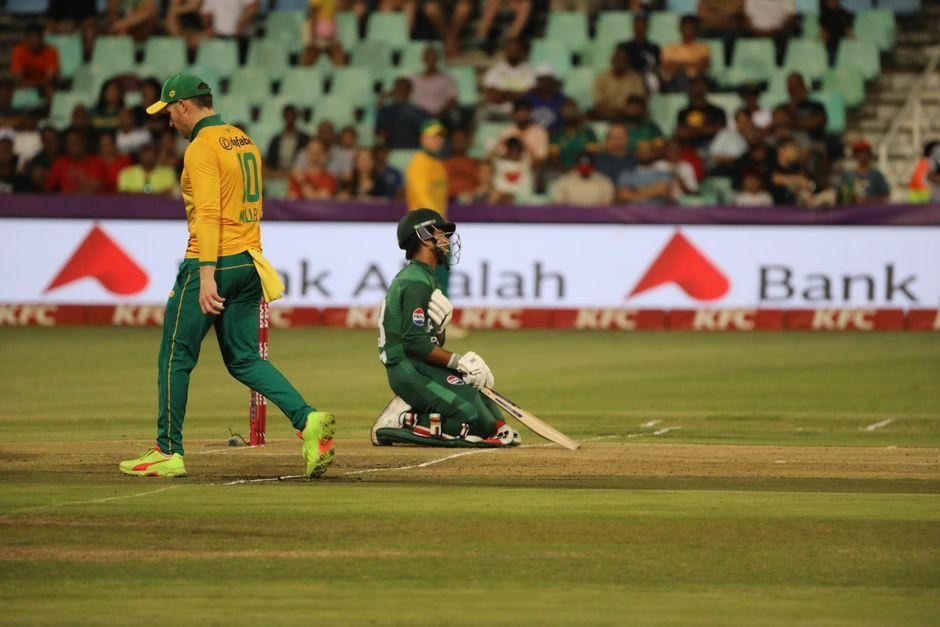
The follow-on rule in Test cricket allows a team with a substantial first-innings lead to require the opposing team to bat again immediately rather than the leading team batting a second time first, a tactical decision carrying real strategic tradeoffs that captains weigh carefully given both the immediate advantage it offers and genuine historical instances where the decision has notably backfired.
This piece covers when the follow-on becomes available as an option, the tactical reasoning behind enforcing versus declining it, and why several historically famous instances of enforcing the follow-on have gone badly wrong for the enforcing team.
When the Follow-On Rule Actually Becomes Available
A team achieves the option to enforce the follow-on when their first-innings total exceeds the opposition’s first-innings total by a specific margin, typically 200 runs in a standard five-day Test match, though this threshold varies somewhat for shorter-duration matches. A team using an app like tamasha cricket betting app to track live match statistics would see this option become relevant specifically once that lead threshold gets reached, though enforcement itself remains entirely the captain’s tactical choice rather than an automatic outcome.
Why Captains Typically Choose to Enforce the Follow-On
The primary tactical advantage of enforcing the follow-on involves time management within a match constrained by a fixed number of playing days, forcing the opposition to bat again immediately saves the enforcing team from needing to bat a potentially unnecessary second innings themselves, preserving more overs within the match’s fixed timeframe to actually bowl the opposition out twice and secure a win, particularly valuable when weather delays or slow over rates have already eaten into available playing time.
Why Enforcing the Follow-On Sometimes Backfires Badly
The follow-on requires the initially bowling team to bowl again immediately without the benefit of a batting innings in between to rest their bowlers, and several historically notable instances exist where a team enforcing the follow-on found their bowling attack fatigued from the extended effort, allowing the following team to mount an unexpectedly strong fightback in their second innings, sometimes even winning a match after following on, an outcome that’s occurred only a handful of times in the entire history of Test cricket specifically because of how rare and significant a comeback this actually represents.
What Modern Analysis Considers When Assessing the Decision
Contemporary tactical analysis around follow-on decisions weighs bowler fatigue and pitch conditions specifically, a pitch expected to deteriorate significantly favors enforcing the follow-on since batting last on a worn surface becomes considerably harder, while concern about bowler fatigue given a particularly taxing first innings bowling effort sometimes argues for declining the follow-on and batting again first specifically to give bowlers rest before a final push.
Frequently Asked Questions
When does a team gain the option to enforce the follow-on in Test cricket?
This becomes available when a team’s first-innings total exceeds the opposition’s by a specific margin, typically 200 runs in a standard five-day match, though this varies for shorter formats.
Why do captains typically choose to enforce the follow-on when available?
It saves time within a match’s fixed playing days by avoiding an unnecessary second batting innings, preserving more overs to bowl the opposition out twice and secure a win.
Why has enforcing the follow-on sometimes backfired significantly?
Bowlers face fatigue from bowling again immediately without a batting rest period in between, occasionally allowing the following team to mount a strong, even match-winning, second-innings fightback.
What factors does modern analysis weigh when assessing a follow-on decision?
Pitch deterioration expectations and bowler fatigue from the first innings effort both factor into whether enforcing or declining the follow-on represents the better tactical choice.
Conclusion
The follow-on decision carries genuine strategic tradeoffs between valuable time management and the real risk of bowler fatigue undermining a second consecutive bowling effort, with cricket history containing enough notable backfires to make this a genuinely nuanced tactical choice rather than an automatic decision whenever the option becomes available. Understanding both the advantage and historical risk clarifies why captains weigh this decision so carefully rather than treating it as a straightforward call.