
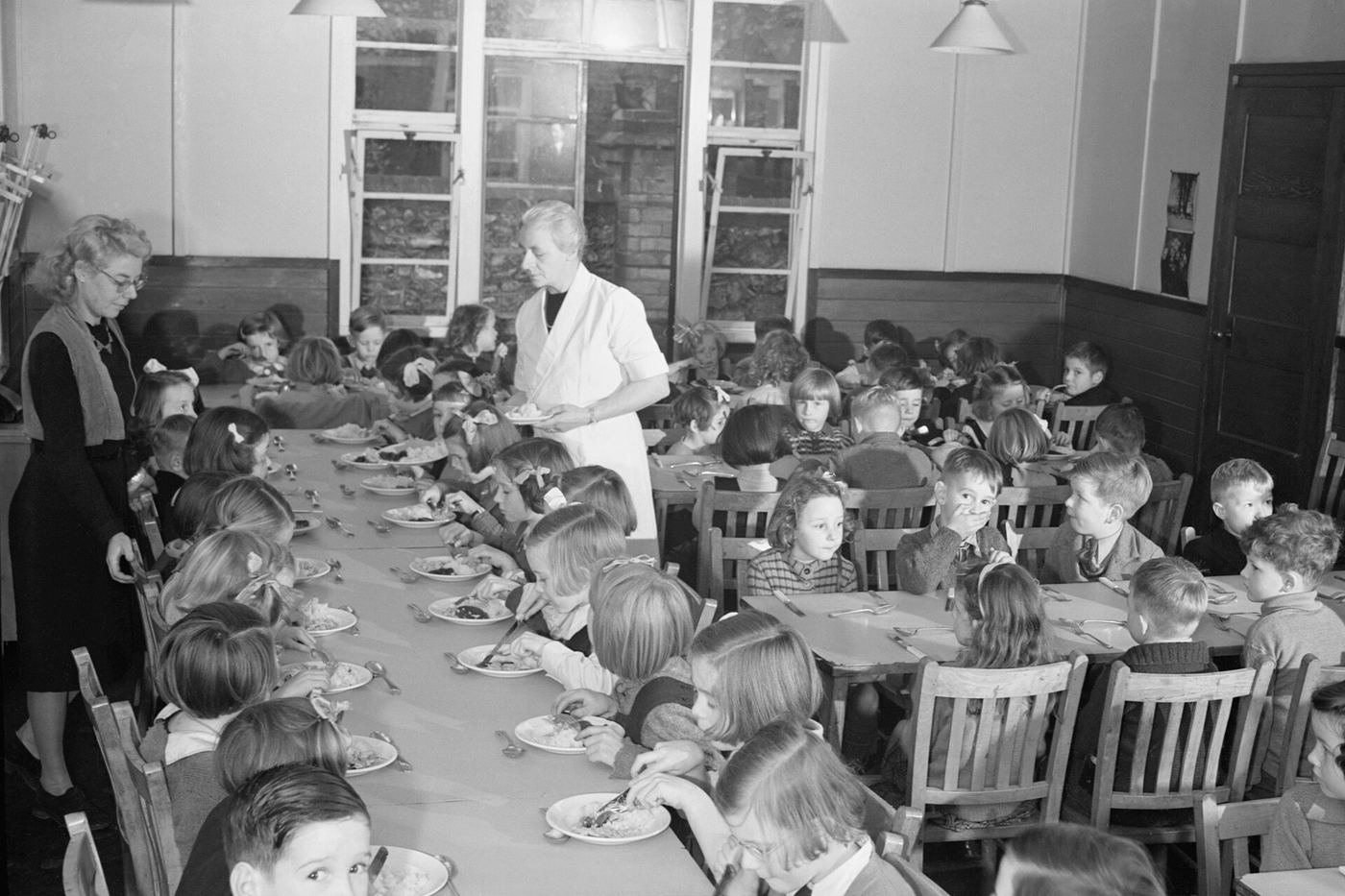
More children are now eating a free hot lunch at school, after eligibility rules were widened to cover families whose incomes had previously sat just above the old threshold. School leaders say the change has been noticeable in dining halls, where queues are longer and fewer children arrive with an empty lunchbox or no lunch at all. Teachers report that pupils who eat well at midday concentrate better in afternoon lessons and are less likely to feel tired or restless. Campaigners who pressed for the change say a school meal is one of the simplest ways to support a child’s health and learning, and that the cost to the public purse is modest compared with the difference it makes. Parents say the change has eased a weekly worry, removing the daily decision about what to pack and the expense of buying food for the lunchbox. Headteachers say the extra meals have also cut the stigma once attached to free lunches, since more children now eat together.
What the Evidence Shows
Running a school meals service for more children brings practical challenges for caterers, who must cook larger quantities while keeping meals varied, fresh and appealing to young tastes. Schools say they are working with suppliers to source ingredients locally and to offer menus that reflect the different cultures of their pupils. Nutritionists welcome the expansion but urge schools to keep standards high, with vegetables, whole grains and protein on every plate rather than filling food that leaves children hungry again by mid-afternoon. Some schools have also used the change to teach children about food, with tasting sessions and visits to local farms. For the children themselves, the meal is often the best part of the school day, a warm plate shared with friends in the middle of lessons. Cooks say the key is variety, with menus that change through the week so children look forward to lunch. Reporting and analysis from sources such as BBC News track the same developments, and specialists following the widening free school meals say the direction is now consistent across independent lines of evidence.
The Wider Context
The wider context is a public conversation conducted at a speed institutions were not built for. Developments around the widening free school meals are announced, contested and revised within a single news cycle, and the officials involved have learned to publish evidence alongside claims so that scrutiny can actually occur. Trust, the polling suggests, follows that transparency more than it follows confidence.
What Happens Next
What happens next in the story of the widening free school meals will be decided in the places where it is being implemented, measured and argued about in public. The officials and organisations involved have committed to publishing progress data, and that commitment gives residents, businesses and journalists something firmer than promises to judge. The next milestones are dated, which means they can be checked. You can follow related developments in our coverage of news.
None of this will be settled by a single announcement, study or product launch. The pattern to watch is accumulation: independent confirmations, honest reporting of failures and steady improvement in the underlying numbers. Readers who follow those signals, rather than the loudest claim of the week, will understand this subject better than most of the commentary surrounding it suggests is possible.