
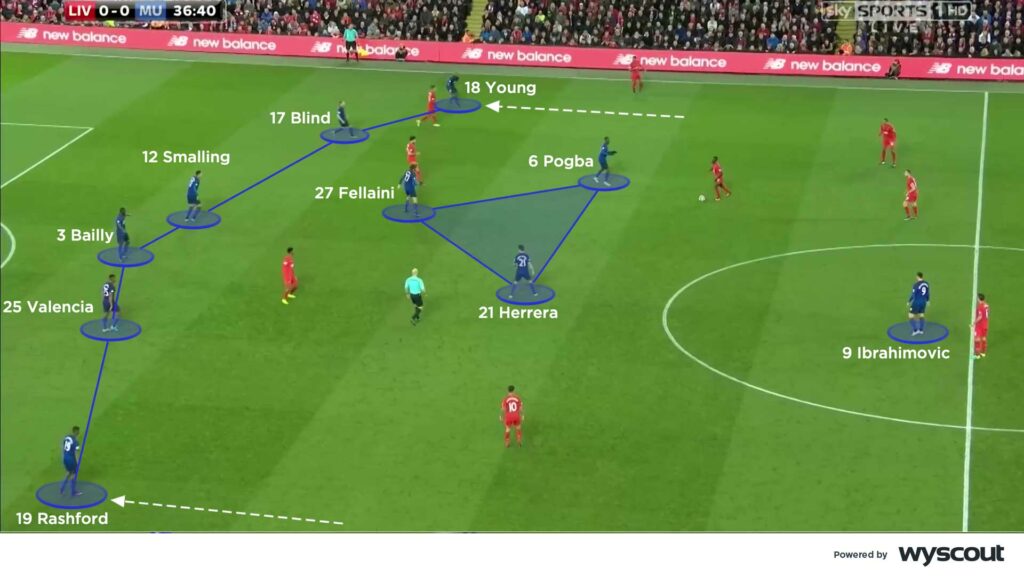
The analytical value of a football team cannot be accurately measured by possession percentages or territorial dominance alone. During the 2011/2012 Premier League season, several defensively disciplined underdogs engineered highly efficient low-block structures designed specifically to frustrate elite possession-heavy opponents. While casual fans often interpret a team surrendering 70% possession as a sign of imminent defeat, smart market observers recognize that a compact defensive block significantly compresses the space available to an opponent’s creative midfielders. When bookmakers inflate the handicap lines based on the perceived gap in star power, backing a structurally disciplined low-block team creates a substantial long-term mathematical advantage.
Why Public Bias Inflates Handicap Lines Against Defensively Rigid Teams
The sports betting market consistently exhibits an irrational preference for offensive flair over defensive organization. Public money naturally gravitates toward elite attacking sides, causing bookmakers to artificially adjust Asian Handicap lines to balance their liabilities. This systemic bias means that when an elite team faces a disciplined, low-block side, the favorite is often forced to cover an unreasonably large goal margin. Consequently, the defensive underdog does not need to win the match outright to deliver excellent value; they simply need to maintain their structural integrity and stay within the inflated handicap spread.
The Structural Blueprint of the 2011/12 Low-Block Strategy
Executing a successful low-block requires an extraordinary level of positional discipline, physical endurance, and spatial awareness from the entire squad. Instead of actively pressing the opposition in the middle third, a low-block team intentionally drops their defensive line deep into their own penalty box. This deliberate positioning eliminates the green grass behind the defenders, completely neutralizing the threat of explosive forwards who rely on raw pace to exploit deep vertical spaces.
The Mechanical Synchronization of Midfield and Defensive Chains
The true success of this system rests on the narrow distance maintained between the defensive back four and the midfield shield directly in front of them. By capping this space at a tight distance of less than ten yards, the defending unit effectively chokes out the traditional pocket where creative playmakers operate. Any attempt by an attacking side to force a central pass into this congested area results in immediate physical pressure, forcing the dominant team to circulate the ball harmlessly wide.
Quantifying the Defensive Resiliency of Mid-Table Specialists
To appreciate the financial viability of backing deep-lying underdogs, we must examine the specific metrics that indicate whether a team possesses the necessary fortitude to sustain 90 minutes of constant defensive pressure. Looking purely at total goals conceded often masks the true efficiency of an underdog’s defensive shape.
| Team Profile Element | High-Value Low-Block Underdog | Low-Value Fragmented Underdog |
| Defensive Action Height | Average clearances executed deep within the six-yard box. | Disorganized tackles attempted high up the pitch. |
| PPDA (Passes Per Defensive Action) | High PPDA allowed, indicating patient containment. | Low, erratic PPDA showing fractured pressing lines. |
| Shot Quality Suppression | Forcing opposition to shoot from wide, low-probability angles. | Allowing central shots inside the primary penalty area. |
| Aerial Duel Success | High win percentage from crossing situations. | Vulnerability to physical targets on set-pieces. |
The data structured in the comparison above reveals that a premium low-block candidate intentionally relinquishes territorial control while strictly safeguarding the highest-value areas of the pitch. When an analyst identifies a team that successfully maintains these specific metrics against top-tier opponents, backing them on the plus-handicap becomes highly profitable. Observing how these defensive structures absorb pressure provides an excellent foundation for interpreting market shifts across various networks. For those who specialize in identifying these undervalued defensive setups before kickoff, utilizing an advanced sports betting service like เว็บยูฟ่า168 ensures that you receive highly competitive handicap lines that fully maximize the mathematical advantage of a resilient defensive unit.
How Lethal Counter-Attacks Amplify the Betting Value of Deep Defensive Shapes
A low-block strategy is incomplete without a functional transition blueprint that can punish the favorite for committing too many bodies forward. When a dominant team searches for a breakthrough, their full-backs push high up the pitch, leaving massive expanses of open space on the flanks. A premium defensive underdog exploits this vulnerability by deploying quick, direct wingers who can turn a defensive recovery into a high-probability counter-attacking sequence within seconds. Even if the underdog only generates three or four of these transitions per match, the high quality of the chances generated often results in a crucial goal that completely destroys the favorite’s handicap expectations.
Analyzing Sunderland’s Tactical Resurgence Under Martin O’Neill
The second half of the 2011/2012 campaign showcased a premier example of low-block efficiency when Martin O’Neill took charge of Sunderland. O’Neill abandoned any pretense of matching elite teams in open possession, opting instead to establish a rigid, deeply entrenched 4-4-1-1 shape. This tactical shift transformed Sunderland into a highly efficient defensive machine that excelled at absorbing waves of pressure before launching lightning-fast counter-attacks through the direct running of James McClean and Stéphane Sessègnon, consistently frustrating the league’s top sides and regularly covering the spread as heavy underdogs.
Identifying the Physical and Tactical Conditions That Break a Low-Block
While a deep defensive block is incredibly robust, certain operational variables can completely compromise its structural integrity. Tracking these specific points of failure prevents analysts from backing a defensive underdog that is set up for failure.
1.Surrendering an Early Concession:The Initial 20 Minutes.
Allowing a goal within the opening stages completely ruins the low-block strategy, forcing the underdog to abandon their deep shape and chase the game.
2.Fatigue Breaks the Midfield Shield:The 60th-Minute Mark.
As the match wears on, the physical exertion of constant lateral shifting causes the midfielders to arrive late to covering assignments, leaving the half-spaces exposed.
3.Inefficient Substitution Profiles:The 75th-Minute Shift.
The manager introduces a replacement who lacks the positional awareness or defensive work rate required to maintain the strict distances between the lines.
4.Complete Defensive Fragmentation:The Final Whistle.
The structural compactness collapses entirely under sustained pressure, turning a tight, single-goal deficit into a multi-goal blowout that ruins the handicap value.
The breakdown above clearly outlines the specific operational vulnerabilities that can dismantle a deep defensive setup. Analysts must verify that an underdog possesses both the physical depth and the mental discipline necessary to execute their plan across the entire duration of the match before committing any capital.
Navigating In-Play Variations as Low-Block Dynamics Shift Live
The mathematical value of backing a low-block side often increases dramatically when analyzed through the lens of live, in-play adjustments. If a defensively rigid underdog successfully survives the opening 30 minutes of a match without conceding, the time decay of the game forces the favorite into increasingly desperate tactical changes. As the favorite throws more attacking players onto the pitch, their structural balance disappears, making them even more susceptible to a fatal counter-attack.
Monitoring these unfolding structural adjustments in real-time allows analytical observers to capture massive value shifts that pre-match lines simply cannot anticipate. When a favorite begins to exhibit signs of tactical desperation while the underdog’s defensive lines remain perfectly intact, the live market odds often lag behind the actual reality on the pitch. Under situational conditions where an observer notices this exact friction developing during a match, executing a live wager through a dynamic online betting site provides an exceptional opportunity to back the defensive underdog at far more lucrative odds than those available prior to kickoff.
Summary
The 2011/2012 Premier League season proved that masterfully organized low-block underdogs represent some of the most consistent value opportunities in the sports market. By identifying teams that systematically compress the space between their defensive lines, understanding how public bias inflates Asian Handicap lines, and recognizing the specific points where a deep block breaks down, analysts can consistently exploit market inefficiencies. Ultimately, when a team pairs a highly disciplined defensive shape with a lethal transition blueprint, backing them against inflated spreads yields a highly reliable, data-driven path to long-term success.