
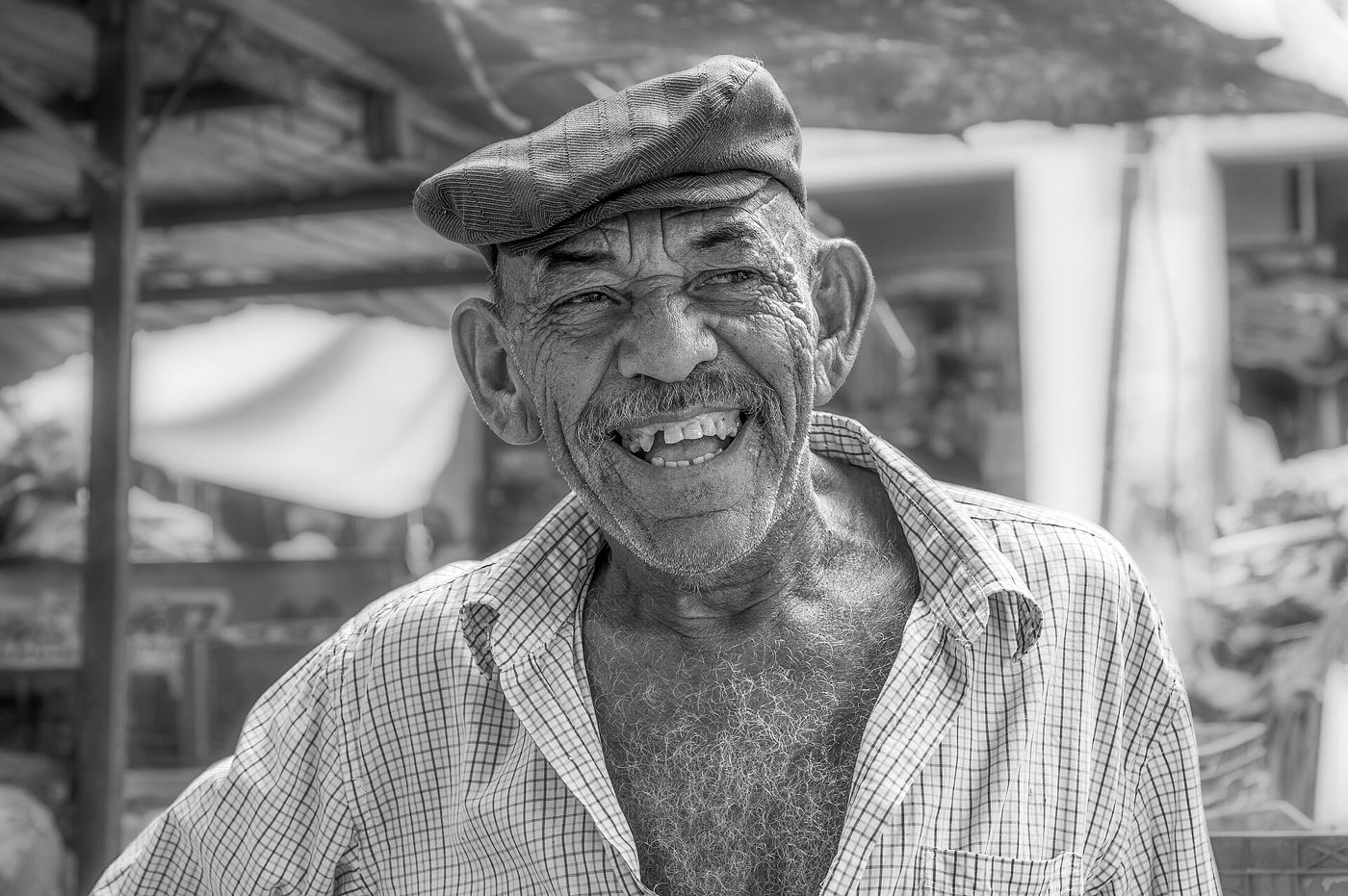
Before a word of your bio is read, your profile photo has already spoken. Psychologists who study first impressions find that viewers form judgements about a stranger’s competence, warmth and trustworthiness from a face in well under a second — and those snap judgements, fair or not, shape everything from hiring decisions to dating matches to whether a freelance client replies. The humble DP, in other words, is doing the work of a handshake, a suit and a smile combined.
What the research says works
Across studies, a few patterns recur. Faces that are clearly visible, reasonably close-cropped and photographed at eye level read as more confident and approachable. Natural light beats flash; a genuine, slight smile beats both a grin and a scowl; and an uncluttered background keeps the attention where it belongs. Context matters too: professional platforms reward images that match the industry’s norms, while creative fields tolerate — and often prefer — more personality. Perception research published by institutions such as the American Psychological Association underlines how consistent these first-impression effects are across cultures.
The mistakes that cost you
The commonest errors are mundane: a photo so old it no longer resembles you, sunglasses hiding the eyes, a group shot that leaves viewers guessing which person you are, or a crop borrowed from a wedding photo with a stranger’s shoulder still attached. Heavy filters are a subtler risk — they may attract attention while quietly taxing trust when the real person appears. Our social media guides collect platform-by-platform advice on sizing, cropping and style.
A small asset worth maintaining
Nobody needs a studio session. A current, honest, well-lit photo — refreshed every couple of years, and whenever your appearance changes — does nearly all of this work. In an economy where so many relationships begin as a thumbnail, it is one of the highest-return investments a person can make in themselves.
There is a fairness caveat worth stating plainly: these judgements are biases, not insights. A photo cannot measure honesty, kindness or skill, and everyone who hires or dates would make better decisions by remembering that. But biases ignored are not biases defeated. Until the world’s first impressions move beyond the thumbnail — an unlikely reform — the pragmatic move is to control the signal you send. Treat the profile photo as you would the opening line of an introduction: brief, truthful, and chosen on purpose rather than by accident.
Platforms are quietly amplifying the effect. Video-first profiles and AI-generated avatar options are entering the mainstream, raising new questions about authenticity: an illustrated or heavily generated image may look striking, but viewers increasingly read it as a mask. Early evidence suggests real photographs still win on trust — one more reason the considered, genuine portrait outperforms the gimmick. The photo is small. The judgement it triggers is not.