
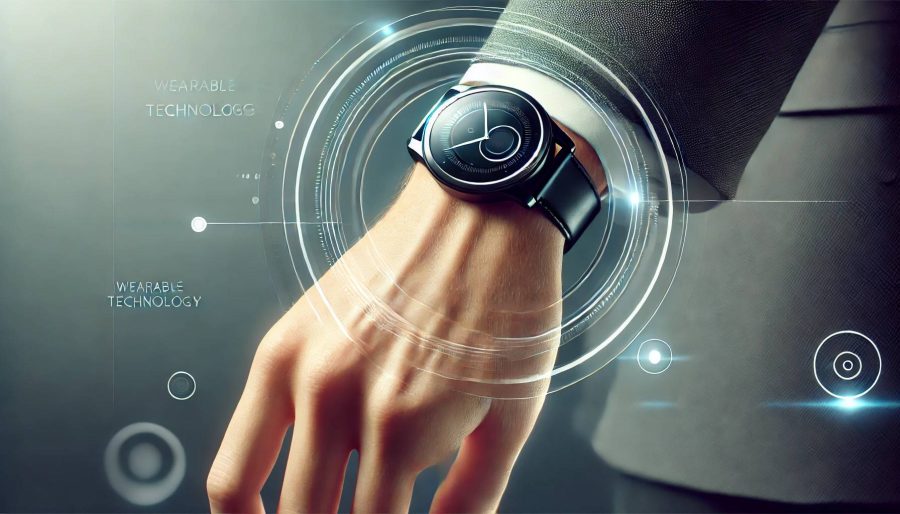
Wearable devices—commonly known as “wearables”—have evolved from simple tech accessories into tools that play significant roles in people’s daily lives. Smartwatches, fitness trackers, and other connected devices are transforming how we track personal information, manage our health, and interact with the digital world.
A key driver behind the growth of wearables is their ability to collect real-time data. Advanced sensors can monitor physical activity, heart rate, sleep quality, and various other metrics. This information helps users better understand their habits and provides healthcare professionals with additional resources for monitoring and preventive care.
Beyond the healthcare sector, wearables are also changing how we communicate. Notifications for messages, calls, and appointments can be accessed directly from the wrist, reducing the need to constantly check one’s smartphone. This convenience illustrates how technology is becoming increasingly integrated into people’s daily routines.
Advances in connectivity have further expanded the capabilities of these devices. Today, users have access to a wide range of digital services tailored to different needs—including specialized platforms like 20Bet—which are part of an ever-expanding, interconnected online ecosystem.
Wearables are also gaining ground in the professional sphere. Companies use smart devices to track activities, enhance worker safety in specific sectors, and improve operational processes. In fields such as logistics and manufacturing, wearable sensors can provide valuable data to optimize tasks and mitigate risks.
Despite these benefits, the growth of this technology raises questions regarding privacy and data protection. Since these devices collect vast amounts of personal information, it is crucial for manufacturers to implement secure and transparent systems. Users, too, need to be familiar with privacy settings and understand how their data is stored and utilized.
The trend suggests that wearable devices will become even more advanced in the coming years. Integration with artificial intelligence, new sensors, and faster communication technologies could transform these devices into true personal assistants capable of offering personalized recommendations. More than just modern accessories, wearables represent a new phase of technology in which devices and people are increasingly connected in pursuit of a more practical, healthy, and efficient life.